
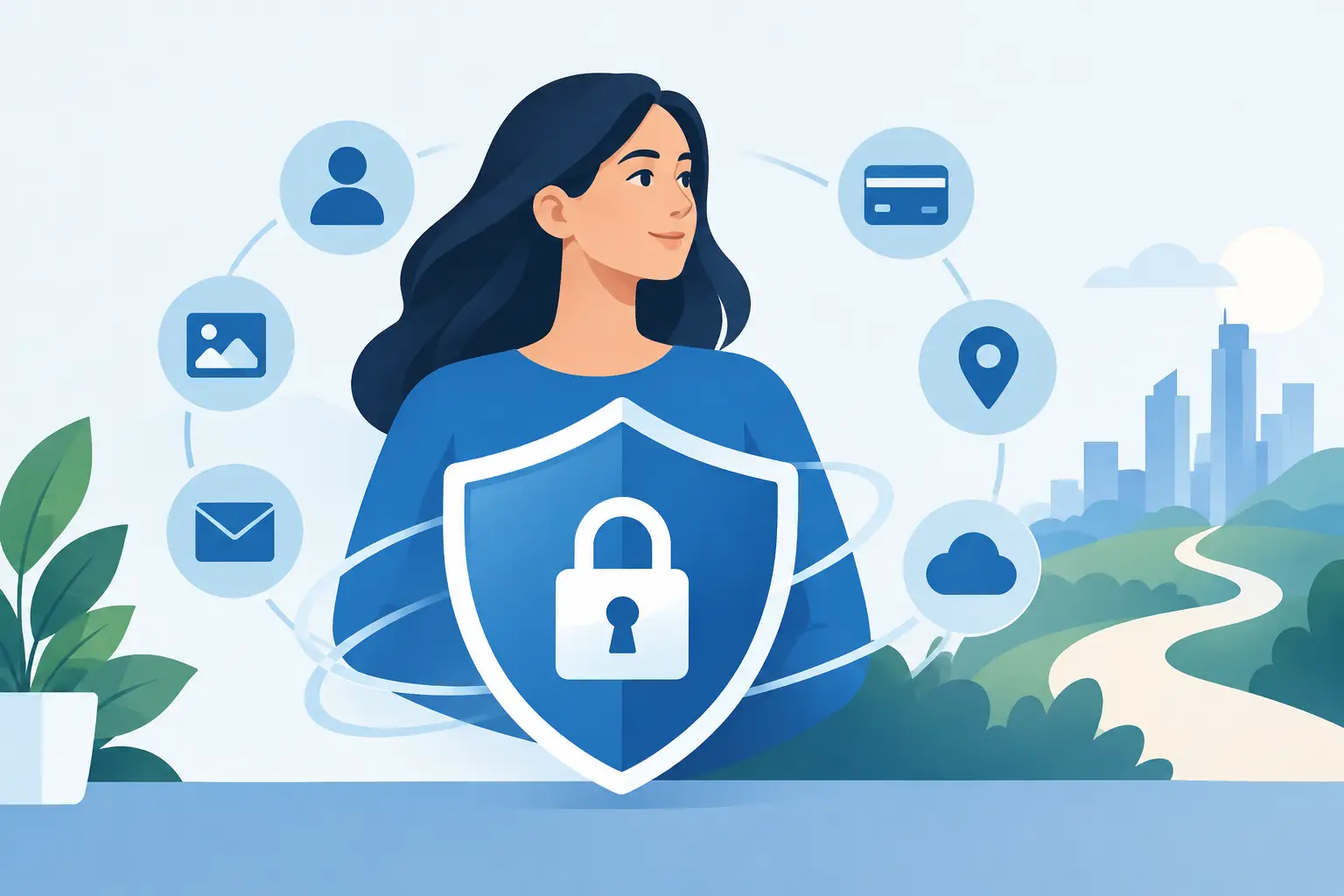
A hiring manager can form an opinion about you before the first interview. A lender can make a decision based on a profile you never saw. An AI tool can learn from information you pasted into a prompt without you fully understanding where it goes next. That is why is data privacy important is no longer a question reserved for technology experts. It is a question of personal freedom, economic opportunity, and control over the life you are building.
For Americans pursuing a better career, a stronger business, or greater financial security, data is part of the new economy. Your search history, location, purchasing behavior, health information, work documents, and online conversations all have value. Privacy is about having a meaningful say in how that value is collected, used, shared, and protected.
Why Is Data Privacy Important to Economic Freedom?
The American Dream has always included the freedom to make your own choices: where to work, what to build, how to spend, and what future to pursue. Data privacy supports that freedom in a digital economy.
When organizations know too much about a person, or use information carelessly, the consequences are not abstract. A stolen identity can damage credit and consume months of energy. A leaked medical detail can cause embarrassment or unfair assumptions. A compromised work account can threaten a job, a client relationship, or an entire small business.
Privacy also protects the right to change direction. People grow. They recover from financial mistakes, change careers, explore new interests, and form new opinions. Permanent, poorly governed data trails can make it harder for someone to be seen for who they are now rather than who an algorithm assumes they were years ago.
This does not mean every use of personal data is harmful. Data can make services more useful, reduce fraud, personalize learning, and help businesses understand customers. The real issue is whether the exchange is fair. Do you know what you are giving up? Do you have a genuine choice? Is the organization collecting only what it needs and protecting it responsibly?
Privacy Is Becoming a Career Skill
AI is expanding what people can accomplish. A professional can draft a proposal faster. A small business owner can analyze customer feedback. A job seeker can practice interviews or refine a resume. These are real advantages, especially for people willing to learn new tools rather than retreat from change.
But AI also makes judgment more valuable. The information placed into an AI system may include customer records, internal strategy, financial figures, confidential code, or personal details. Copying sensitive material into a public or unapproved tool can create risks that are difficult to reverse.
The strongest workers in the AI economy will not simply know how to use new tools. They will know how to use them responsibly. That means asking a few practical questions before sharing information: Is this tool approved for work? Does it retain or train on submitted content? Can I remove names, account numbers, or identifying details? Would I be comfortable explaining this use to a customer or manager?
That mindset builds trust. Employers need people who can move quickly without being reckless. Clients want partners who protect confidential information. Customers are more likely to stay with businesses that treat their information as something entrusted, not something to exploit.
For entrepreneurs, privacy can become a competitive advantage. A business does not need a massive legal department to respect customers. It needs clear habits: collect less information, explain why it is needed, limit access inside the company, and respond seriously when a customer has a concern. Those choices signal character as much as competence.
The Cost of Convenience Is Not Always Obvious
Many digital services are free because personal information helps pay for them. That trade-off can be reasonable. Most people are willing to share some data in exchange for maps, entertainment, communication, or easier shopping.
The problem begins when convenience hides the true price. A fitness app may reveal patterns about health and routines. A quiz may collect information useful for profiling. A harmless-looking browser extension may monitor activity across websites. Data that seems unimportant on its own can become highly revealing when combined with other data points.
There is no practical way to avoid every data exchange, and trying to do so can prevent people from benefiting from useful technology. The better goal is intentional participation. Share information when the value is clear, the company is credible, and the settings give you reasonable control. Pause when a request feels unrelated to the service or unusually invasive.
Privacy is not about fear of technology. It is about using technology on terms that protect your future options.
How to Protect Your Data Without Slowing Your Progress
Good privacy practices do not require a computer science degree. They require consistency. Start with the accounts that could do the most damage if compromised: email, banking, health portals, cloud storage, and work systems.
Use a unique, long password for each important account and enable multi-factor authentication whenever it is available. A password manager can make this far easier than trying to remember dozens of complicated passwords. Keep recovery email addresses and phone numbers current, because those are often the keys to regaining control after an attack.
Treat unexpected messages with healthy skepticism, especially those creating urgency around a payment, package, password reset, or job opportunity. Scammers are becoming more convincing with AI-generated writing, cloned voices, and realistic images. Before acting, verify through a known phone number, official app, or independently typed website address.
Be thoughtful about what you share with AI tools. Remove names and identifying details from documents when possible. Do not paste proprietary work information into a tool unless your employer has approved it. If you run a business, establish a simple policy so employees know which tools and data uses are acceptable.
Finally, review privacy settings periodically. The most important settings are often not dramatic: who can see your profile, whether apps can access location, whether platforms can use your activity for advertising, and which third parties still have access to your accounts. A quarterly review can prevent years of unnecessary exposure.
Data Privacy Is Also About Power
The deeper reason privacy matters is that information creates power. When you understand your own finances, skills, and goals, you can make better decisions. When an outside organization has extensive information about you while you have little visibility into its practices, the relationship becomes uneven.
Reasonable privacy protections help restore balance. They encourage transparency, limit misuse, and create accountability when organizations handle sensitive information. They also give people room to experiment, learn, and reinvent themselves without every click becoming a permanent judgment.
As AI becomes more capable, this balance will matter even more. The future will reward people who can combine ambition with discernment. You do not have to reject intelligent tools to protect your privacy. You can use them to sharpen your work, grow your income, and create new opportunities while keeping your personal and professional information within boundaries you choose.
Your data is part of your life story. Protect it with the same care you bring to your reputation, your money, and your next big opportunity.
